
Framework
Longevity is a measurement problem before it is an intervention problem.
We describe ageing as a set of biological processes that can be observed and measured. Where evidence is preclinical, we say so. Where controlled human trials exist, we cite the endpoint they actually measured.
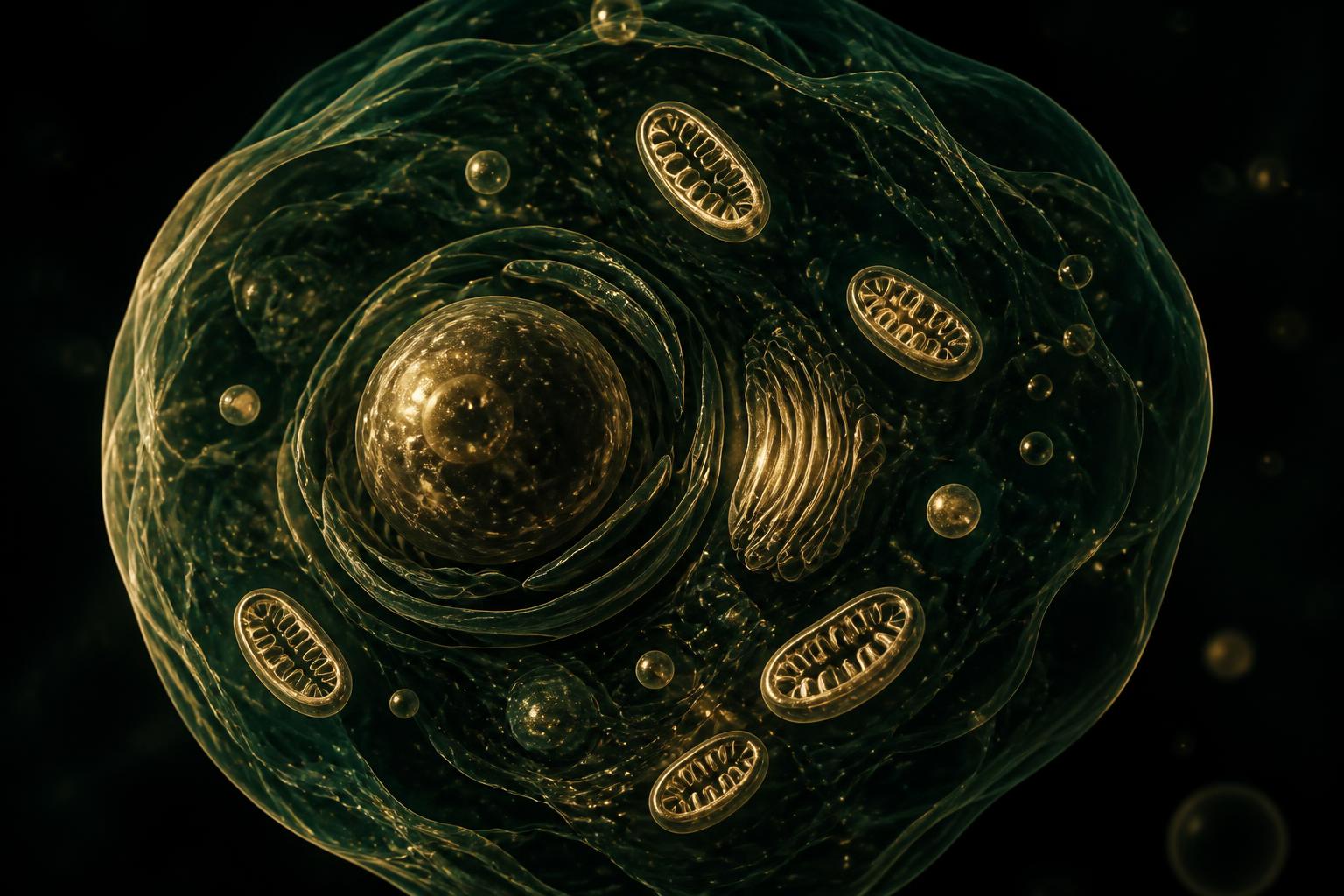
Four processes we track
These are the pathways our compound library touches. None of them is a lever for guaranteed outcomes.
Mitochondrial and redox function
NAD⁺-dependent metabolism declines with age in multiple tissues. Research focuses on whether precursor availability changes measurable metabolic markers, not on reversing ageing.
Tissue repair and remodelling
Tendon, ligament and mucosal repair involve angiogenesis, fibroblast migration and matrix turnover — pathways studied with peptides such as BPC-157, TB-500 and GHK-Cu, largely in preclinical models.
Growth-hormone axis signalling
GHRH analogues and ghrelin-receptor agonists modulate pulsatile GH release. Human data exists for endocrine endpoints; longevity endpoints do not.
Metabolic regulation
Incretin-pathway agents have controlled human trial data for body weight and glycaemic endpoints, and are among the most rigorously studied compounds in this space.
Evidence hierarchy
How we grade what we publish
Preclinical
In vitro or animal models. Mechanistic signal only — not predictive of human outcomes.
Early human
Small, open-label or uncontrolled human studies. Directional, easily confounded.
Controlled clinical
Randomised or controlled human trials with pre-specified endpoints.
Educational content
This material is educational and summarises published scientific literature. It is not medical advice and does not constitute a recommendation to use any compound. Speak with a qualified clinician about your individual situation.